
How Much Home Can You Afford?
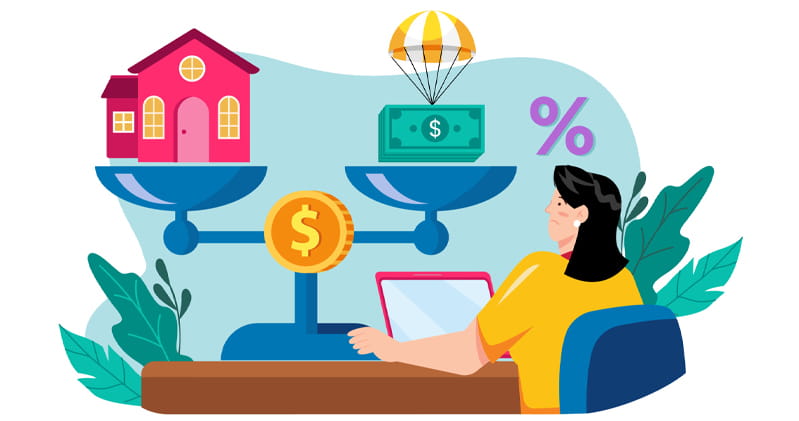
Buying a home is one of the biggest financial decisions you'll ever make, and understanding your budget is the first step toward finding the right property. Our mortgage affordability calculator helps estimate how much home you may be able to afford based on your income, monthly debts, down payment, and other financial factors.
Whether you're a first-time homebuyer, moving into a larger home, or exploring refinancing options, this tool provides a quick snapshot of your purchasing power.
What Impacts Home Affordability?
Several factors influence how much house you may qualify for, including:
- Annual household income
- Monthly debt obligations
- Down payment amount
- Credit profile
- Interest rate
- Property taxes and homeowners insurance
- Loan program requirements
Because every borrower's situation is unique, the calculator should be used as a starting point rather than a loan approval.
Understanding Your Results
The affordability estimate generated by this calculator is designed to help you better understand your potential home-buying budget. The actual loan amount and monthly payment available to you may vary based on lender guidelines, credit qualifications, market conditions, and the specific mortgage program selected.
Keep in mind that finding the right home isn't just about qualifying for a certain loan amount. It's also important to choose a monthly payment that comfortably fits your lifestyle and long-term financial goals.
Tips for Increasing Your Buying Power
If you'd like to maximize your home affordability, consider:
- Reducing existing debt balances
- Improving your credit score
- Increasing your down payment
- Exploring different loan programs
- Comparing available interest rates
- Adding a qualified co-borrower if appropriate
Even small improvements in these areas can significantly impact your purchasing power.
Why Buyers Work With Us
At One Mortgage, we help borrowers navigate the mortgage process with confidence. Our experienced team works closely with homebuyers to identify loan solutions that align with their unique financial goals.
When you're ready, we'll help you:
- Review loan options
- Determine your purchasing power
- Understand monthly payment scenarios
- Compare mortgage programs
- Navigate pre-approval and closing
Ready to Take the Next Step?
Getting a personalized mortgage strategy is often more valuable than relying on online estimates alone.
 Frequently Asked Questions
The amount of home you may be able to afford depends on several factors, including your income, monthly debt obligations, down payment, credit profile, interest rate, and estimated housing expenses. Our affordability calculator provides an estimate to help you understand your potential buying power.
The calculator provides an estimate based on the information you enter and should be used as an educational planning tool. Your actual loan eligibility and borrowing capacity will depend on lender guidelines, credit qualifications, income verification, and the mortgage program selected.
Most lenders consider recurring monthly obligations, including:
- Auto loans
- Student loans
- Credit card minimum payments
- Personal loans
- Child support or alimony obligations
- Other installment debts
These obligations are factored into your debt-to-income (DTI) ratio, an important mortgage qualification metric.
Your debt-to-income ratio compares your total monthly debt payments to your gross monthly income. Lenders use DTI to determine whether a mortgage payment fits comfortably within your financial profile. Generally, lower debt levels may increase purchasing power.
Yes. Your credit score can influence mortgage rates, loan options, and qualification requirements. A stronger credit profile may help you access more favorable financing terms, which can impact overall affordability.
A larger down payment can reduce the loan amount you need to borrow and may lower your monthly mortgage payment. It can also improve loan eligibility and help you avoid certain mortgage insurance requirements in some situations.
Homeownership involves expenses beyond principal and interest, including:
- Property taxes
- Homeowners insurance
- HOA dues, if applicable
- Mortgage insurance
- Utilities
- Maintenance and repairs
Considering these costs can help create a more realistic home-buying budget.
Yes. Many mortgage programs offer low down payment options for qualified borrowers. Depending on the loan type, eligible buyers may be able to purchase a home with significantly less than 20% down.
Not necessarily. While the calculator estimates what you may qualify for, many homebuyers choose a budget below their maximum purchasing power to maintain greater financial flexibility and comfort.
There may be opportunities to improve your purchasing power by:
- Reducing outstanding debt
- Improving your credit score
- Increasing your down payment
- Exploring alternative loan programs
- Adding an eligible co-borrower
A mortgage professional can help identify strategies tailored to your situation.
An affordability estimate is a planning tool based on self-reported information. A mortgage pre-approval involves a more detailed review of your financial information, income, assets, and credit history by a lender to determine the loan amount you may qualify for.
Once you've reviewed your estimated purchasing power, the next step is speaking with a mortgage professional. A personalized consultation can help you understand available loan options, estimate monthly payments, and determine a realistic home-buying budget based on your financial goals.
Our affordability calculator is a great starting point, but every homebuyer's financial situation is unique. Connect with a mortgage expert today for a personalized affordability review and guidance on your path to homeownership.
